

‘All the Boys’ by Thomas Morris
The Penguin Book of the Contemporary British Short Story (2018)
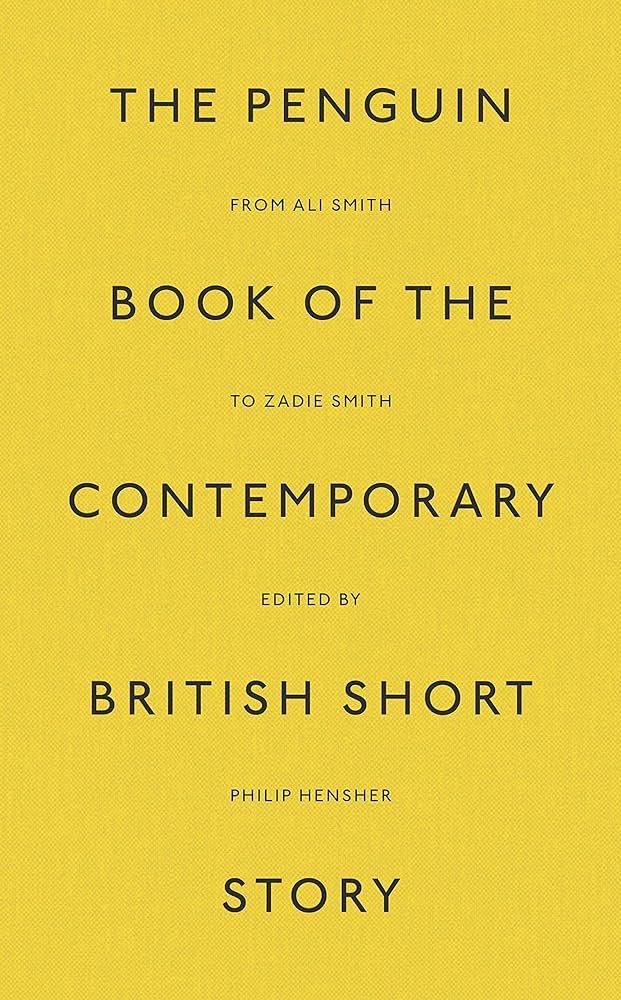
‘All the Boys’ is the first in the section entitled ‘Men’ in this collection of short stories through which I am currently working my way. The ‘boys’ are a group of friends who have grown up together in Caerphilly, South Wales, celebrating a stag weekend ahead of the wedding of one of their number. Five of the seven man-only group still live in the valleys town, the remaining two in London. At the beginning, they converge on Bristol Airport as instructed by Big Mike, the organiser of the weekend, and the groom’s best man, where he is going to reveal their destination.
I am not going to reveal much more about what happens in the story beyond the opening paragraph below. My reasons for posting about it, apart from the fact that it is very good and that the characterisation and dialogue resonated particularly with me as I grew up in Pontypool, in an adjacent Welsh valley, is that it is written entirely in the future tense:
The best man won’t tell them it’s Dublin until they get to Bristol Airport. He’ll tell them to bring euros and don’t bother packing shorts. The five travelling from Caerphilly will drink on the minibus. And Big Mike, the best man, will spend the first twenty minutes reading and rereading the A4 itinerary he typed up on MS Word. The plastic polypocket will be wedged thick with flight tickets and hostel reservations. It will be crumpled and creased from the constant hand-scrunching and metronome swatting against his suitcase – the only check-in bag on the entire trip. He’ll spend the journey to the airport telling Gareth, and anyone who listens, that Rob had better never marry again, that he couldn’t handle the stress of organizing another one of these.
The narrative continues in this vein until the very end. It’s as if the unpresent bride-to-be is the omniscient (and prescient) narrator, imagining exactly what is going to happen to her fiancé and his friends during the next forty-eight hours as she waves them off on the minibus. It gives the story a strong sense of inevitability as the narrative unfolds which is paradoxically unsettling and reassuring; it creates both a feeling that something terrible is going to befall the revellers and one which says that nothing is going to take place which would surprise or upset anyone, not least our invented narrator-fiancée.
It set me thinking about the marriage vows which the groom will make to his bride at some point in the future after the story has finished (now I’m doing it; it must be catching). Is Thomas Morris playing with the idea of the unknowability of the future in relationships set against the inherent certainty with which couples promise that they ‘will’ when they formalise those relationships? Are they making a confident declaration of future commitment or is it a futile stand against the inevitability that, ultimately, many ‘won’t’?
Only the future will tell, of course. As Morris’s interesting choice of tense in his story demonstrates admirably.
You can find the story here: https://www.thomasmorris.net/wdkwwd
 Robert James-Robbins
2 responses to “I Will”
I’ve just read the whole story. There is something ominous about that future tense, and as you say reassuring. They’ll be doing these things because they’ve always done these things, or blokes on stag dos have always done these things. Really enjoyed it.
LikeLike
Yes, that’s what I felt. Also, whether one character in particular ‘will’ be able to at all.
LikeLiked by 1 person